PEGADAS Exchange Concludes with Presentation of Environmental Action Plans by Students from Guimarães and São Sebastião
Last Monday, the final session of the PEGADAS Exchange project took place, during which participating students presented their action plans to address the environmental issues previously identified in their respective communities.
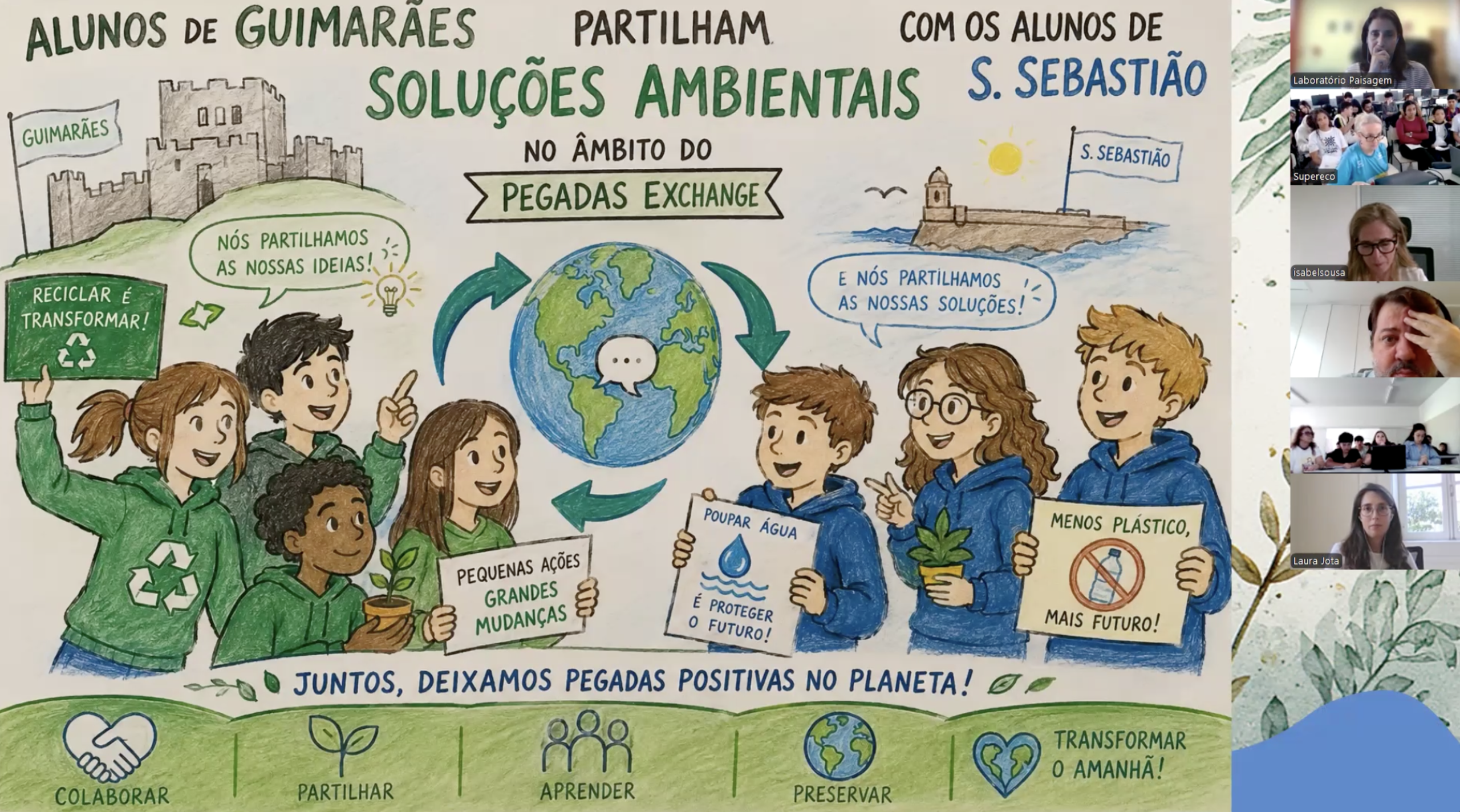
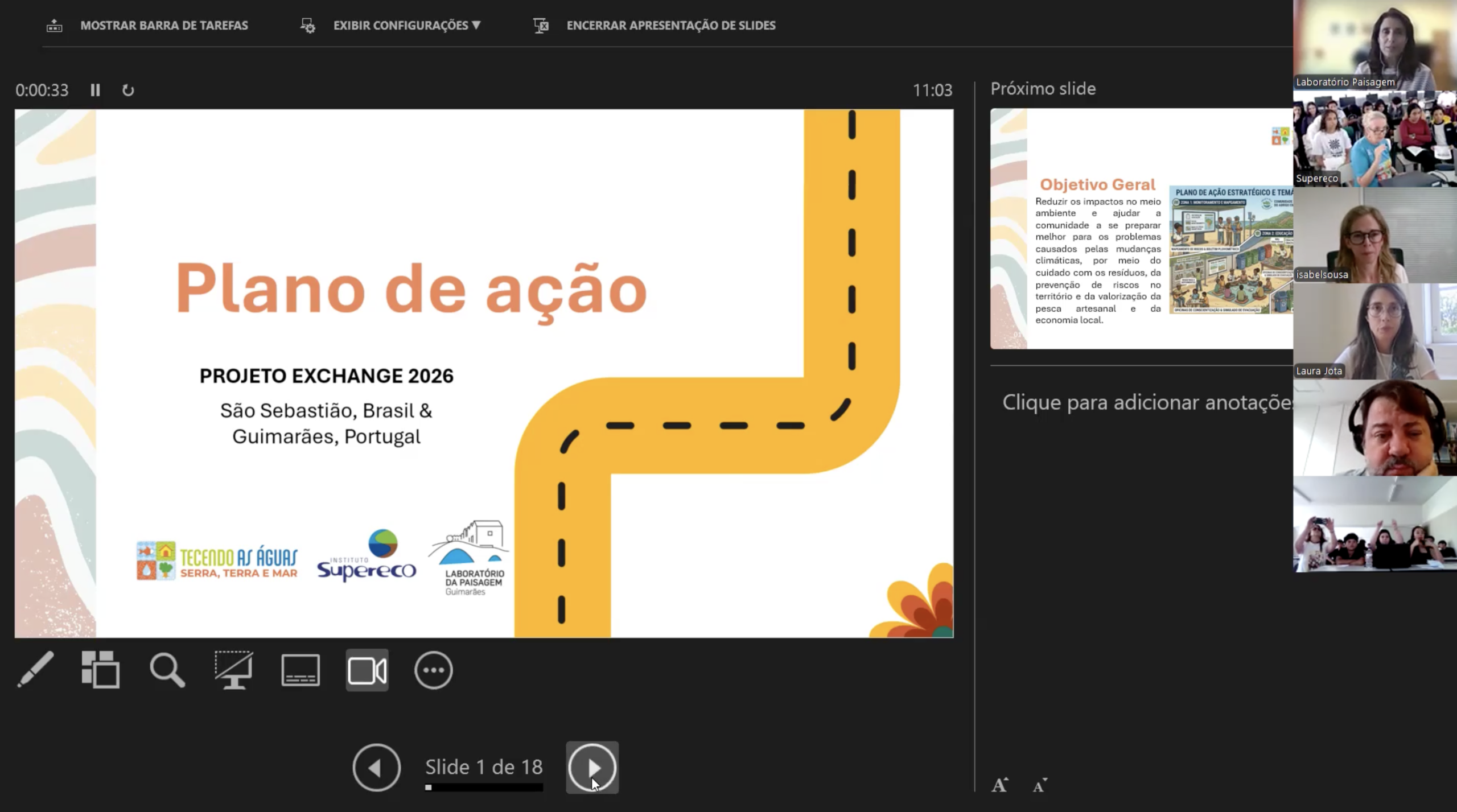
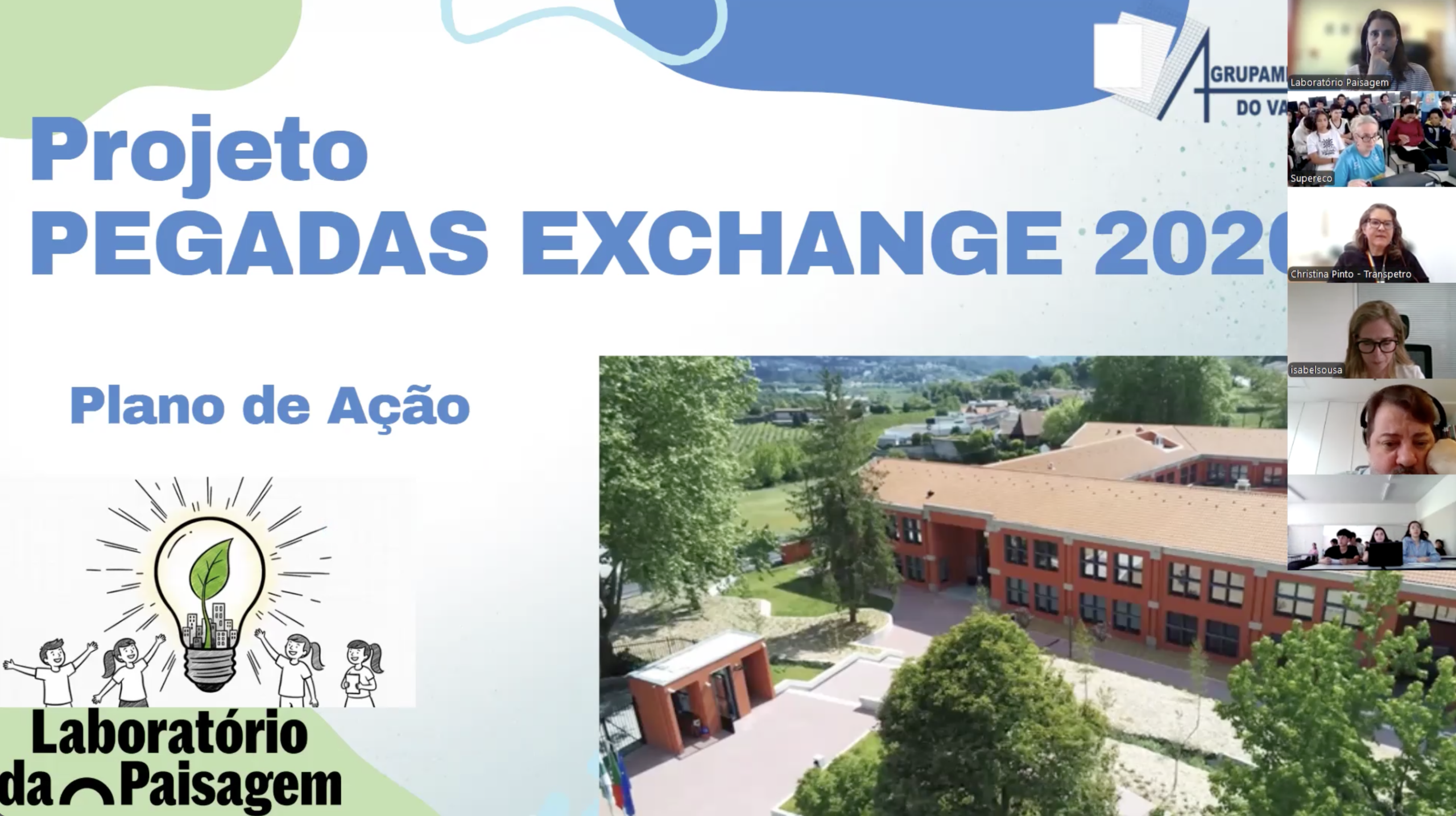
The project brought together students from Guimarães, Portugal, and São Sebastião, Brazil, in a process of collaboration and joint reflection on the environmental challenges facing both cities. The innovative aspect of this initiative was that solutions for each territory were developed by students from the partner city.
To develop these action plans, each class had to learn about the other city’s reality, understand its environmental challenges and propose concrete solutions tailored to the local context. This process brought young people from different geographical backgrounds closer together, fostering critical thinking, active citizenship and international cooperation around sustainability.
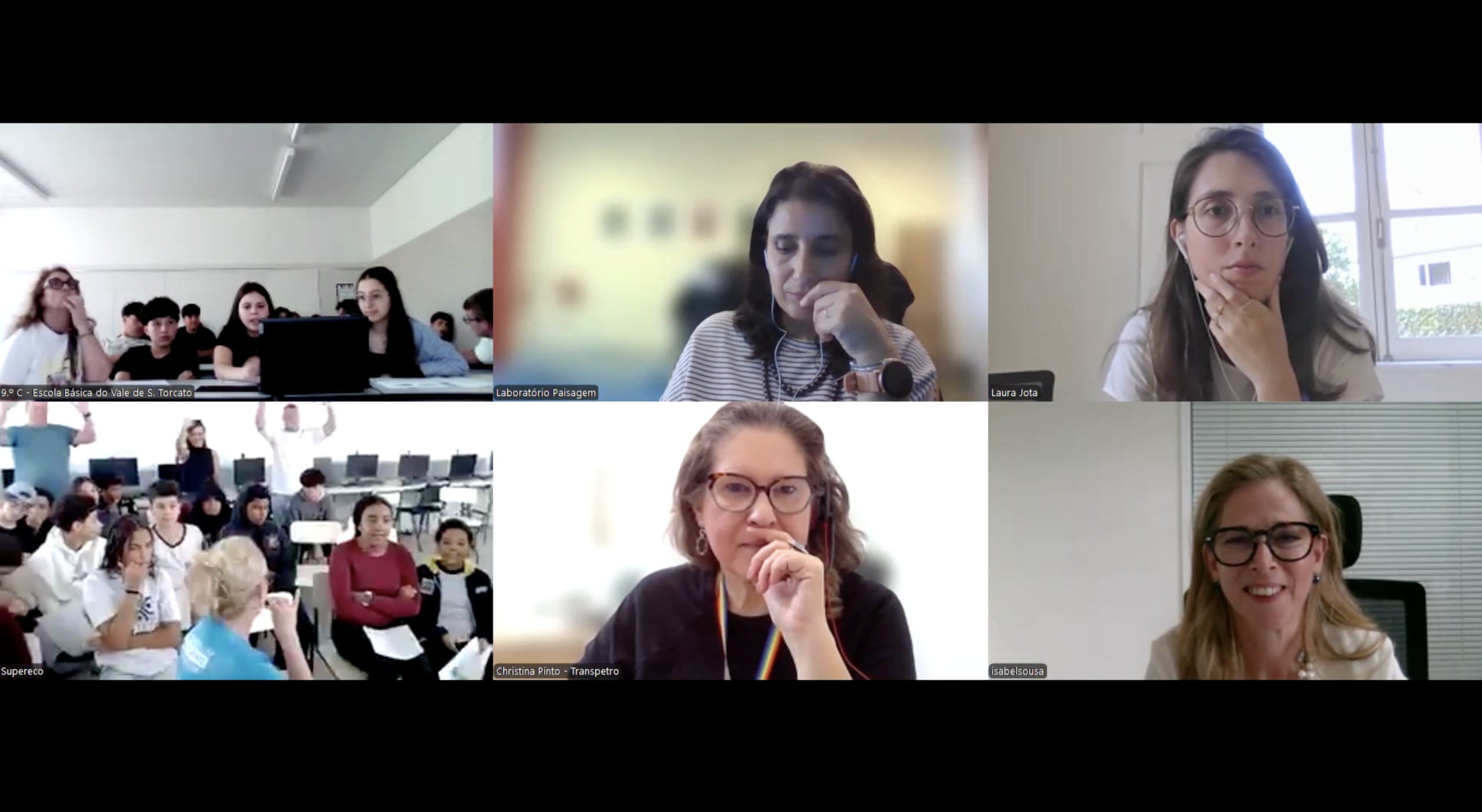
The final session was attended by representatives of organisations from both countries, who will now support the potential implementation of the proposed solutions. Guimarães was represented by Laura Jota, from Vitrus, and Isabel Sousa, advisor to the Education Department of Guimarães City Council.
Representatives from the Environment and Education Departments of São Sebastião also took part. Joining online were Christina Pinto, from Transpetro/Petrobras’ Social Responsibility Department; Alexandre Moreno, from the international Voice of the Ocean project; and Andree Ridder, head of the Supereco Institute.
The action plans presented demonstrated that environmental solutions can be developed through cooperation, knowledge-sharing and intercultural dialogue. More than an academic exercise, PEGADAS Exchange established itself as an active learning experience, bringing young people from different backgrounds together around a common goal: creating more sustainable, resilient territories that are better prepared to face the environmental challenges of the future.